Why the East Bank usually wins
The East Bank works for families because the railway station, the taxi stands, the hospital, the supermarket and the densest cluster of restaurants all sit within a few blocks of each other. Luxor Temple and the corniche are walkable from most of the hotels between the station and the temple, so a family that has just stepped off an overnight train or a flight can eat, buy water and reach the room without negotiating a second transport leg. The airport is on the same side, roughly a twenty minute drive, which matters when the arrival is late or the children are tired.
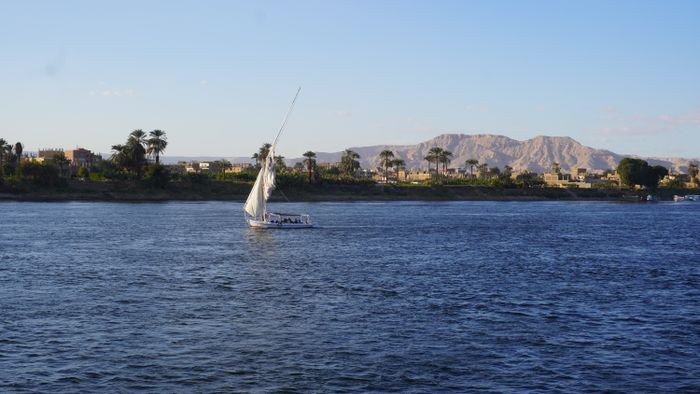
The West Bank, by contrast, is a strip of villages and fields behind the river. The tombs and mortuary temples are there, which is the reason most people cross, but the crossing itself is the constraint. The public ferry runs between the East Bank dock near Luxor Temple and the West Bank dock at Gazirat al-Bairat, and a road bridge lies upstream near Armant. Every West Bank day trip, every dinner in town and every train departure therefore begins with a ferry or a bridge, and that shape of day suits some families better than others.
Where families actually stay
These are the areas families choose between, and what each one is genuinely good for.
How to choose in four moves
Work through these in order and the shortlist will mostly make itself.
What to check before booking
Pool descriptions vary more than they should. A "rooftop pool" may be a plunge pool a metre deep, which is fine for older children and useless for toddlers. Ask for the dimensions and the depth, and ask whether the pool is shaded in the afternoon, because Luxor heat from May to September makes an unshaded roof pool unusable before about four o'clock. If the pool is the deciding factor, a ground-level pool with a shallow end and a lifeguard is the configuration to look for, and that is more common in the larger East Bank properties than in the small West Bank guesthouses.
Room configuration is the second thing to pin down in writing. "Family room" in Egypt can mean two adjoining rooms, one large room with four beds, or a room with a double bed and a sofa bed that sleeps one child. If you need a cot, ask for the cot as a written confirmation rather than a verbal assurance. Ask also whether the hotel has a lift, since many smaller buildings do not, and whether the restaurant serves before seven in the morning, because West Bank tombs open early and a family aiming for the Valley of the Kings at opening will want breakfast before it.
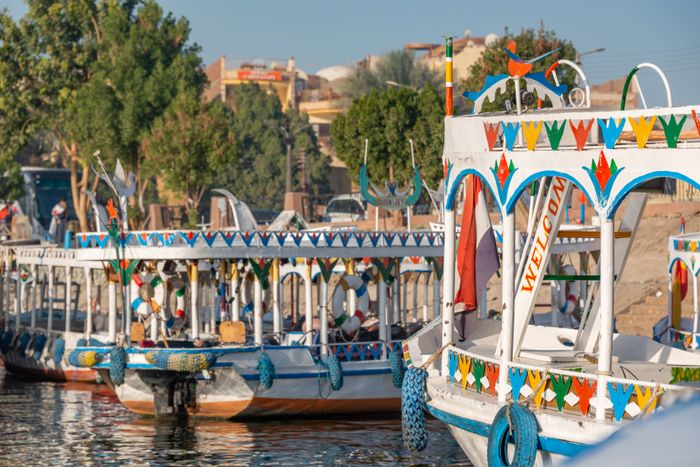
The public ferry between the East and West Bank runs through the day and into the evening, but the last crossing is earlier than most visitors expect, and timings shift with the season and with demand. If a West Bank stay depends on the ferry, confirm the current last departure with the hotel on arrival rather than assuming a late return.
When the West Bank is right
The West Bank is the better base when the archaeology is the whole point of the trip and the children are old enough to be up before dawn without a struggle. Staying at Al-Qurna or New Qurna puts the Valley of the Kings, Deir el-Bahri, the Valley of the Queens and Medinet Habu within a short drive, so a family can reach the sites at opening, return to the hotel for the hottest hours and go back out in the late afternoon. That rhythm is difficult to sustain from the East Bank, where the same itinerary costs two crossings a day and a longer transfer each time.
It is also the better choice for a long stay with a slower pace, particularly for families who want a garden, a smaller property and a village setting rather than a city street. The trade is real: fewer restaurants within walking distance, fewer shops, no station, and a ferry timetable to learn. Families with a child who needs a hospital, a pharmacy open late or a predictable taxi rank should weigh that trade carefully, because the East Bank holds those services and the West Bank does not.
Pick the bank first.
Once the bank is right, the hotel shortlist and the daily plan fall into place. Checked on site 20260917-054340-4.
Questions
Is the East Bank or West Bank better for families in Luxor?+
The East Bank is easier because the station, the market, most restaurants and the Luxor Temple are all there, and the ground is flat. The West Bank puts you closer to the tombs but adds a ferry or bridge crossing to every meal and every evening. Families with young children generally do better on the east side, even if it means earlier starts for the sites. Where to Stay East Bank Luxor →
Do family rooms in Luxor usually come with a pool?+
Many larger East Bank properties have pools, but the type varies from a shaded garden pool to a small rooftop plunge pool. Winter heating and shallow sections are rarely stated in listings, so ask the property directly for your dates. If a pool matters, filter for it first rather than assuming it is standard. Hotels with Pools Luxor →
How do children get around Luxor between the hotel and the sites?+
On the East Bank, most of the centre, the corniche and the Luxor Temple are walkable, and short rides cover the rest. The West Bank sites are spread out, so a car and driver for the day is the practical choice with children. The public ferry is the cheapest crossing and runs frequently, with private boats on demand. Getting Around Luxor →
Is Luxor safe for a family with young children?+
Luxor is a well established tourist city and families travel there routinely. The practical issues are heat, traffic and persistent offers from touts rather than crime, and children need shade and water in the middle of the day. Read current advice for your travel dates before booking. Safety in Luxor →
Where should a family stay if the main aim is the tombs?+
The West Bank settlements at Al-Qurna, New Qurna and around Medinet Habu put you minutes from the tombs and mortuary temples, which matters for early starts. The trade off is a smaller choice of restaurants and a crossing for every evening in town. It suits families who want quiet and are happy to eat at the hotel. Where to Stay West Bank Luxor →