The khamaseen is a hot, dust-laden southerly wind that blows across Egypt in spring, most often between March and May. In Luxor it turns the sky white, drops visibility over the West Bank cliffs and makes open desert sites unpleasant by mid-morning. It is not constant: it arrives in episodes, usually lasting one to three days, and the official start and end dates are not fixed, so check the forecast for your travel dates rather than trusting an average.
How the khamaseen works
The khamaseen is not a season in the calendar sense but a pattern of spring depressions that pull hot, dry air from the south across Egypt. In Luxor it arrives as episodes, typically one to three days, rather than a continuous condition. The official start and end dates are not fixed, so averages are useless for a specific trip: check the forecast for your dates. The wind lifts fine desert dust, turns the sky a flat white, and drops visibility over the West Bank cliffs. It is a regional weather system, not a local one, so Dendera and Abydos are affected on the same days.
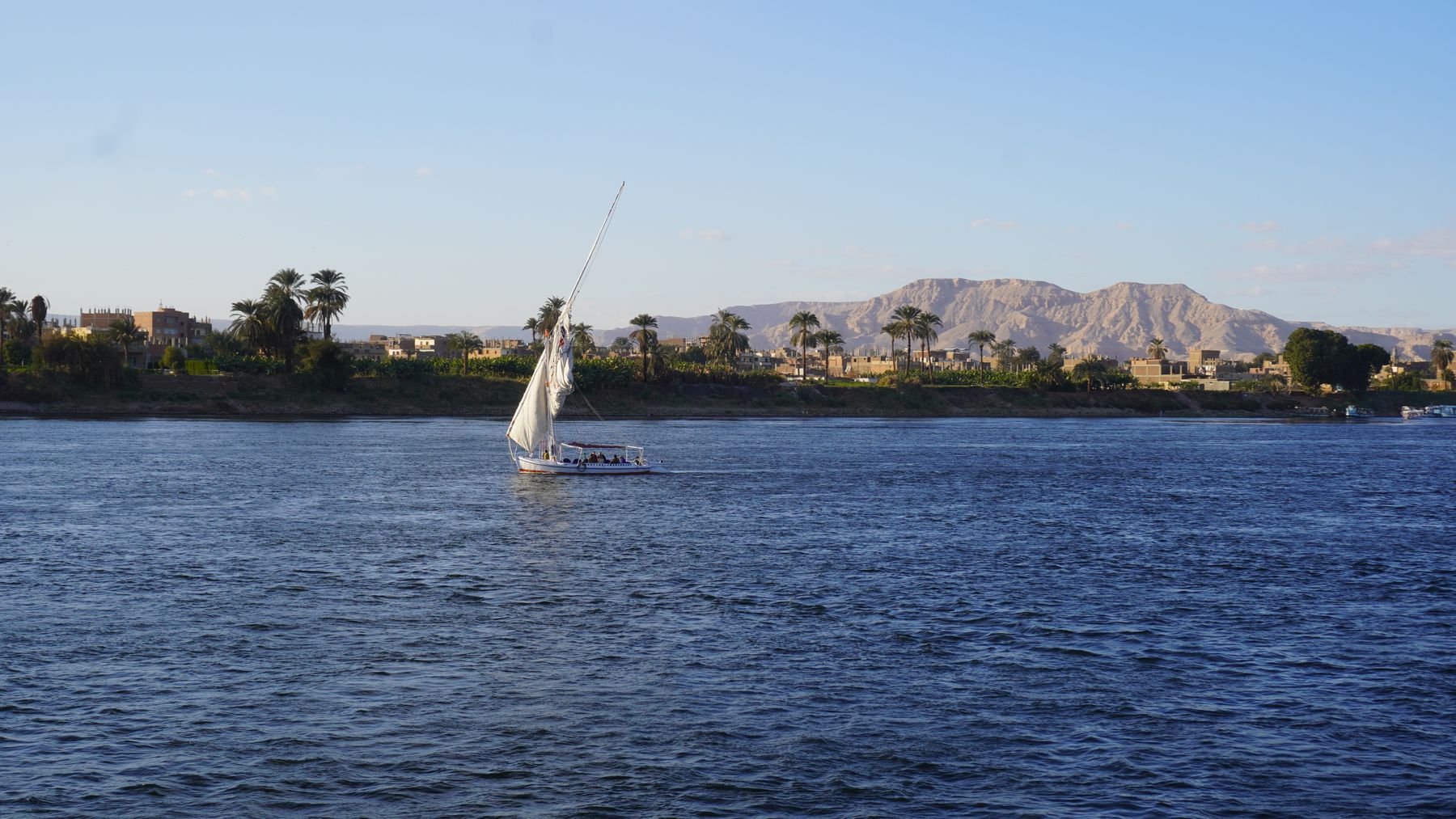
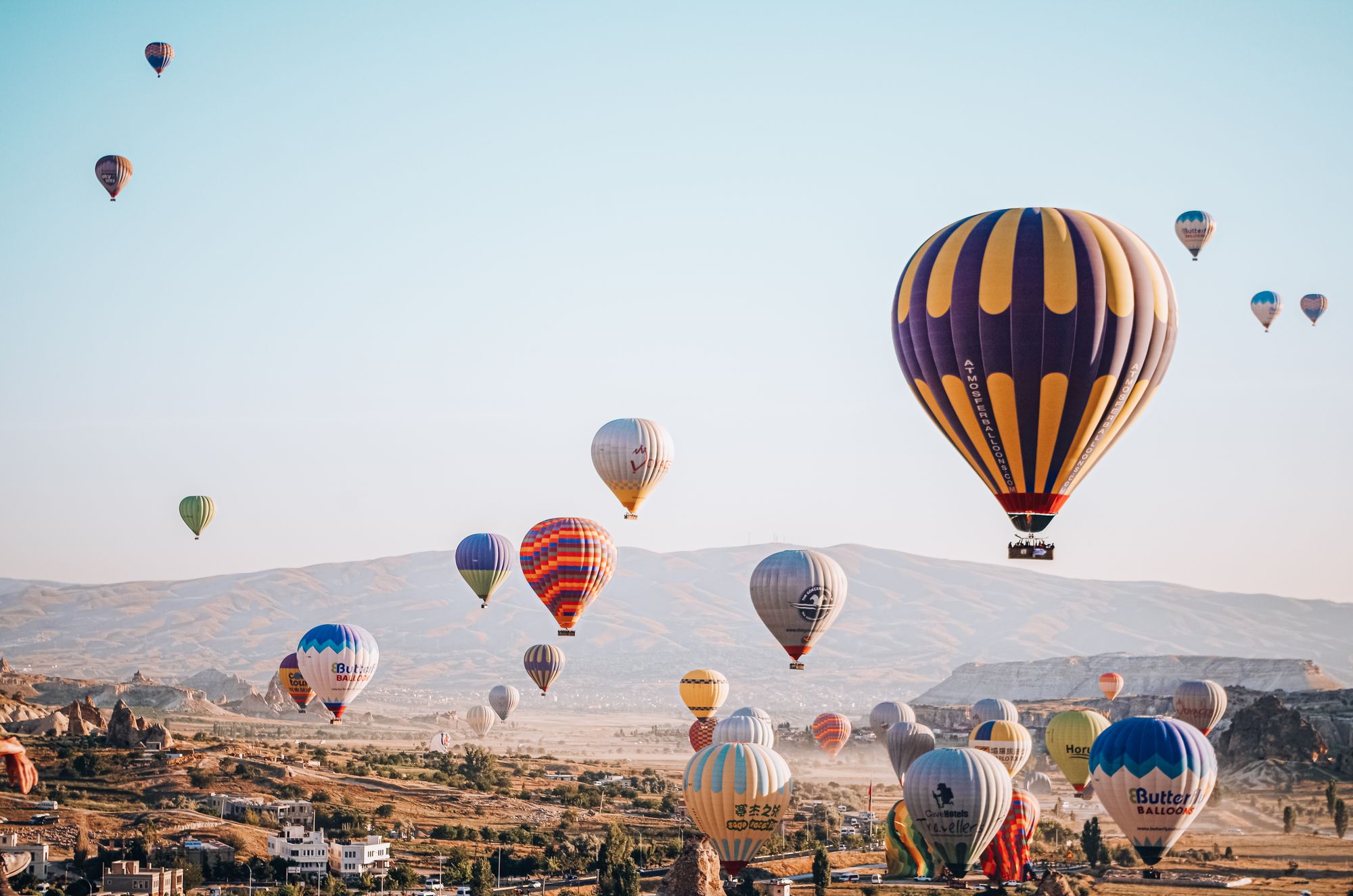
What matters for planning is that the wind is not uniform through the day. It usually builds after sunrise, peaks in the early afternoon, and eases toward evening. That rhythm is why the same site can be tolerable at eight in the morning and unpleasant by noon. The dust is fine enough to pass through loose clothing and window seals, and it settles on everything. It also affects the river: felucca and dahabiya operators may shorten or cancel sails when visibility drops, and hot air balloon flights are grounded if the wind is strong enough. None of this is dangerous for a fit adult, but it changes what is worth doing and when.
Where to go when it blows
These options are ranked by how well they hold up on a dusty khamaseen day.
How to adjust your itinerary
Work through these in order when the forecast turns dusty.
Three assumptions to walk away from
What to carry and when to go
The kit is simple: a scarf or buff for nose and mouth, sunglasses that seal at the sides, a wide-brimmed hat, and eye drops. A light long-sleeved layer protects the skin from both sun and dust. For camera gear, a zip bag or a plastic sleeve matters more than a cleaning cloth, because the dust gets into lenses and buttons. Water is essential; the dry wind dehydrates faster than the temperature alone suggests. If you wear contact lenses, consider glasses on dusty days. The East Bank temples, Karnak and Luxor, sit in the open with little shade, so they are best in the first hour after opening; the West Bank tombs, many of them cut into the rock and visited in short bursts, are more forgiving.
The practical response is to front-load outdoor sites and keep the middle of the day for indoor options. The Luxor Museum and the Mummification Museum are air-conditioned and compact, and make a sensible midday stop. A balloon flight is usually early morning and will be cancelled if the wind is up, so build in a spare morning if that is a priority. For a day trip to Dendera or Abydos, the drive is long and the sites are open, so a dusty day degrades the experience more than it would in Luxor. If you have only a few days, do not book every day before you arrive in spring; leave one flexible day to move things around.
Balloon flights over the West Bank are grounded when wind speeds exceed the operator's limit, which is set by the civil aviation authority and not published as a single figure. Confirm the go or no-go decision with your operator the evening before, and keep the following morning free if the flight is central to your trip.
When the obvious answer fails
The obvious answer is to treat the khamaseen as a minor inconvenience and keep a fixed schedule. That fails when the wind is strong enough to ground balloons, cancel river sails, or make an open desert site like the Valley of the Kings genuinely unpleasant by mid-morning. It also fails for anyone with asthma or sensitive eyes, for whom the dust is a real health issue rather than a comfort one. The second failure is assuming a fixed khamaseen window: because the episodes are weather-driven, a trip in late February can be dustier than one in early April. The third is over-planning. A spring itinerary with no slack cannot absorb a lost morning, and the cost of rebooking a guided day at short notice is higher than the cost of leaving one day open.
There is also a failure of the opposite kind: cancelling outdoor plans at the first sign of haze. Many khamaseen days are mild, with reduced visibility but no real discomfort, and the temples are quieter because other visitors stay away. The judgement call is best made on the morning itself, using the wind speed and visibility reported for Luxor that day rather than a general forecast for Upper Egypt. If the air is merely hazy, proceed with the early slot; if it is gritty and the horizon is gone, switch to the museums and try again tomorrow.
Questions
When does the khamaseen blow in Luxor?+
It is a spring phenomenon, most common from March through May, though episodes can occur slightly outside that window. The Egyptian Meteorological Authority treats it as a recurring seasonal wind rather than a fixed period, and the exact dates shift year to year. For your travel dates, watch the wind forecast in the days before you arrive.
Can I still visit the Valley of the Kings during a dust episode?+
Sites generally stay open, but the experience changes: visibility drops, the walk between tombs is harder, and photography of the cliffs is poor. Tombs themselves are enclosed and often less affected than the open ground between them. Going at opening time is the practical workaround, and the tomb-by-tomb detail sits in the West Bank pages.
Do hot air balloon flights get cancelled in khamaseen weather?+
Yes, dust and low visibility are standard grounds for grounding a flight, and decisions are made on the morning itself. That means a booked flight can be cancelled with little notice, so check the operator's cancellation terms before paying. If you want to understand what a flight involves when it does run, start with the balloon page.
What should I do in Luxor on a dusty day?+
Indoor and sheltered options work best: the Luxor Museum and the Mummification Museum are both on the East Bank and both enclosed. The East Bank temples are also easier than desert sites because the city, hotels and restaurants are close by if you need to stop. The East Bank layout explains why it holds up better on a bad-weather day.
Is the khamaseen dangerous for visitors?+
It is uncomfortable rather than dangerous for most people, but it aggravates asthma and other respiratory conditions, and dehydration comes on faster than expected. Standard precautions are water, eye protection and limiting time outdoors in the middle of the day. General risk information for the city is covered separately.