Day One: The East Bank and Karnak Itself
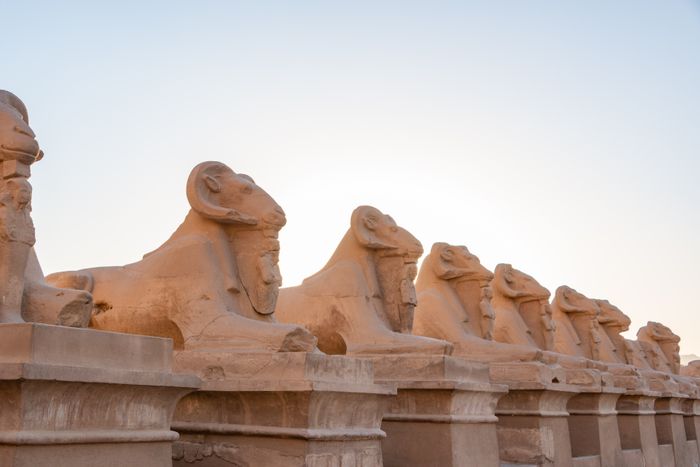
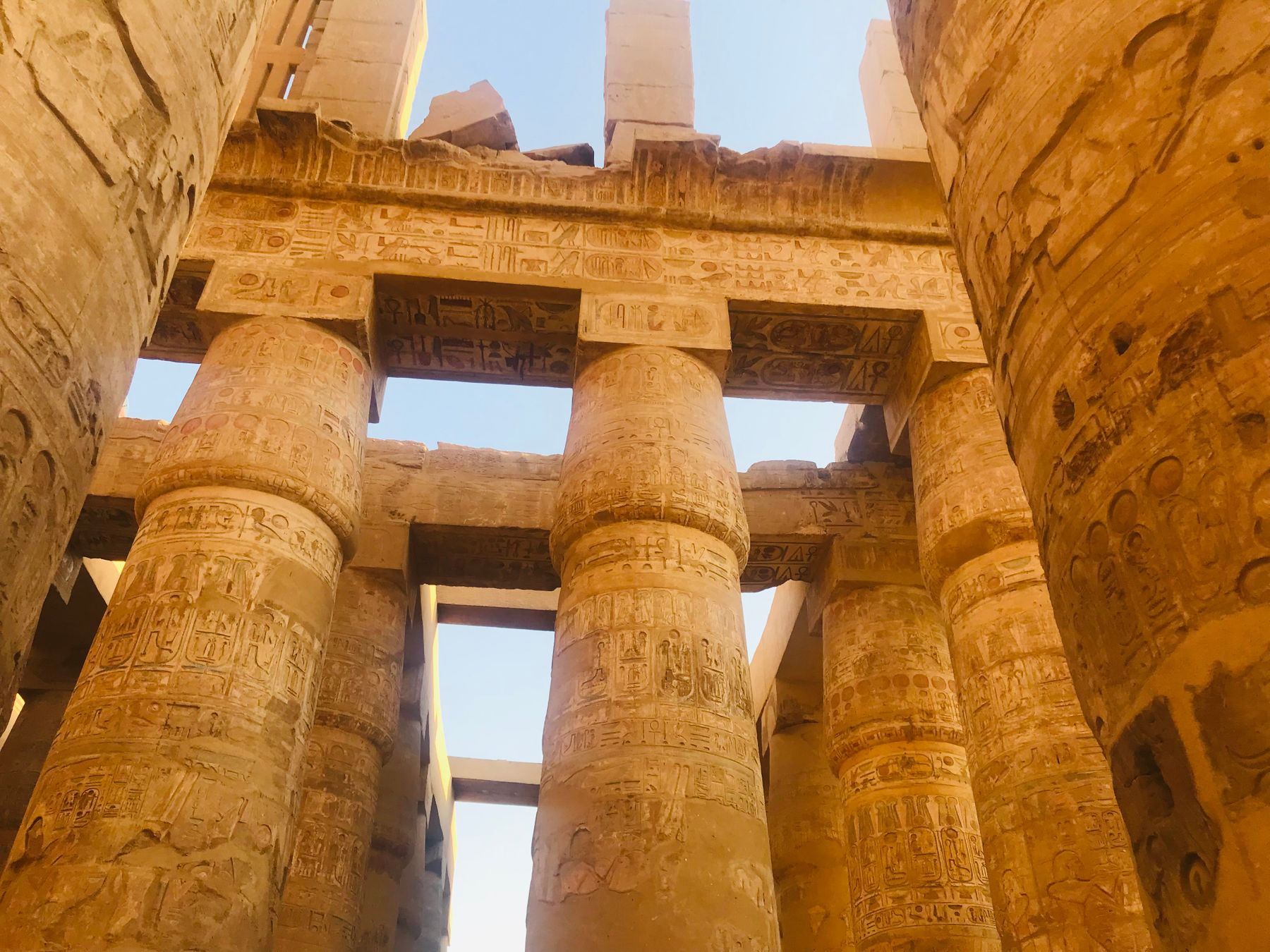
Karnak is not one temple but a walled complex of precincts, pylons and halls built over roughly two thousand years. The Amun-Re precinct holds the Great Hypostyle Hall, whose 134 columns once carried a roof; the sacred lake sits behind it. Allow three to four hours rather than one. Enter early, ideally within the first hour after opening, because coach groups arrive mid-morning and the hall fills. The open-air museum near the first pylon and the botanical reliefs in the Festival Hall of Thutmose III are the two parts most visitors skip and later regret.
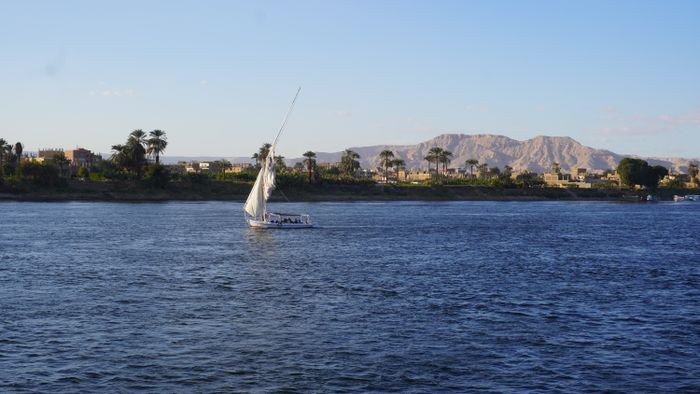
Most hotels cluster along the Nile corniche in Luxor city, or on the West Bank around Gezira and Ramla. From the corniche, Karnak is about 3 km northeast, a ten-minute taxi ride in light traffic. From the West Bank you add a ferry crossing or a drive over the bridge, so budget 30 to 45 minutes door to door. For a first visit, stay on the East Bank, walk the corniche at dusk, and use the Luxor Temple floodlighting as your evening landmark.
Day Two: The West Bank and a Sensible Order
Cross early. The Valley of the Kings opens around 6 am in summer and 7 am in winter; tickets cover three tombs, with extra tickets for the more decorated ones. Hatshepsut's terraced temple at Deir el-Bahari is a 15-minute drive south, and the Colossi of Memnon stand on the road back. Medina Habu, the mortuary temple of Ramesses III, is quieter and, in my view, the single best-preserved wall-relief site on the West Bank. If you only add one stop, add that one.
Between the ferry landing at Gezira and the ticket offices, distances are short but not walkable in the heat. Drivers wait at each site or you can hire a car for the half-day. Afternoon heat from June to August is punishing; November to February is the comfortable window, with December and January busiest. March and October balance weather and crowds well. Book the Valley of the Kings and Karnak on separate mornings, never both in one day.
Choosing Your Base: East Bank vs West Bank
East Bank hotels line the corniche between Luxor Temple and the Luxor Museum, with the train station and the souk a few blocks inland. This is where you want to be for restaurants, the evening promenade and easy access to Karnak. Prices range from budget guesthouses to five-star Nile-view properties; the mid-range band gives the best value. Rooms facing the river cost more, and the corniche can be noisy, so ask for a higher floor if you are a light sleeper.
West Bank stays in Gezira, Ramla and along the Nile's western edge suit travellers who want quiet, garden settings and quick access to theValley of the Kings. You trade convenience: fewer restaurants, and every East Bank trip needs a ferry or a bridge crossing, which can add an hour in the evening. I would book East Bank for a two-day trip and West Bank only if you are staying four nights or more. Aswan flights and the main railway station are both on the East Bank.
Practical Bits That Save Time
Tickets are sold at each site's gate, not at a central office, and card payment is increasingly accepted but cash in Egyptian pounds is safer. Carry small notes. Photography is allowed in most open areas but not inside several royal tombs, where a separate photo ticket may apply. Guards enforce this. A guide is worth hiring for Karnak specifically, because the site's chronology is hard to follow without one, but you do not need a guide for the Valley of the Kings if you have read up beforehand.
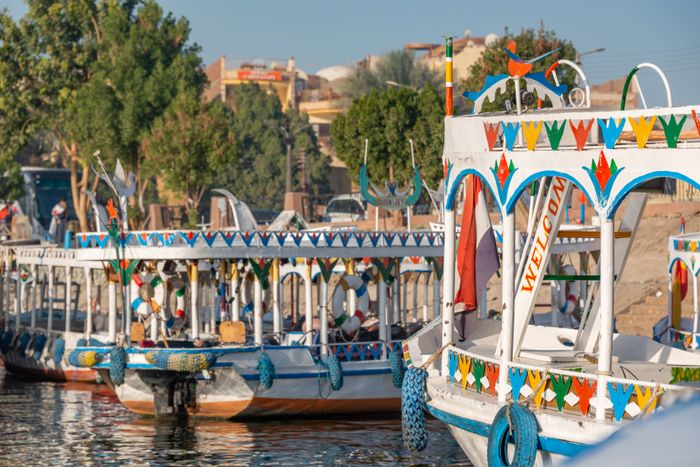
Dress modestly for temple sites: shoulders and knees covered. Bring water, a hat and sunscreen even in winter. The Luxor Museum and the Mummification Museum are both compact and make good midday refuges. If your schedule allows a third day, add Dendera or Abydos, both day trips north by road. Skip the horse-drawn carriages along the corniche; they are slow and the pricing is unpredictable. Use the ferry for the West Bank crossing and taxis otherwise.
Questions
How long do I need at Karnak?+
Plan three to four hours to cover the Amun-Re precinct, the Hypostyle Hall and the open-air museum. Two hours is enough only if you move briskly and skip the side chapels. Early morning is cooler and quieter.
Should I stay on the East or West Bank in Luxor?+
For a two-day trip, the East Bank is more practical: restaurants, the corniche and Karnak are all close. The West Bank suits longer stays, with quieter hotels but a ferry or bridge crossing for every East Bank visit.
What is the best month to visit Luxor?+
November to February offers the most comfortable temperatures, though December and January are busiest. March and October balance pleasant weather with fewer crowds. June to August is very hot, so start sightseeing at dawn.